
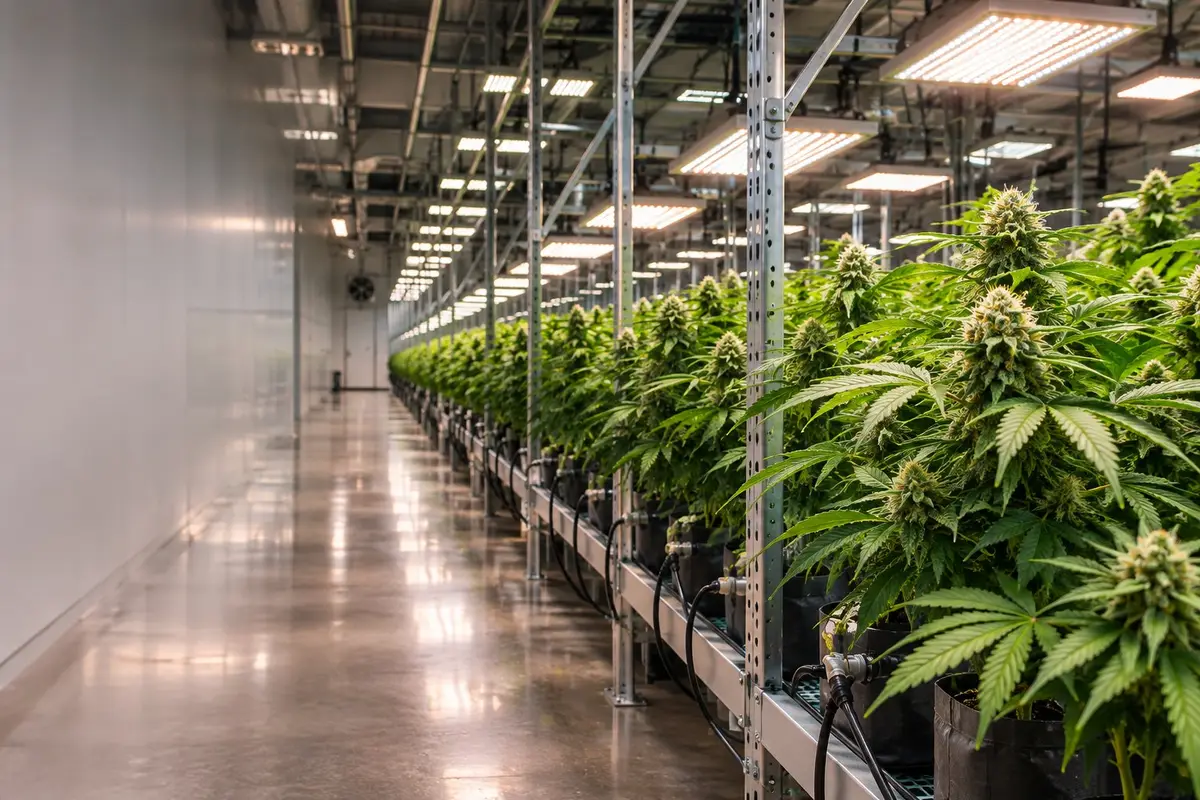
Cannabis Cultivation Accounting from clone to cured batch.
Cannabis cultivation accounting for licensed growers who need every harvest batch costed, every crop cycle tracked, and a COGS figure that reflects what it took to grow.
A grow does not run on a calendar month. Plants move from mother stock to clones, through veg and flower, to harvest, drying, and cure, and costs build long before a single sale. Cannabis cultivation accounting has to follow that cycle: assigning labor, nutrients, utilities, and grow space to harvest batches, recording waste and destruction, and carrying inventory at a cost you can defend. TreeStar builds that structure in QuickBooks Online, ties it to your track-and-trace records, and carries it into your federal and California returns, along with a cash plan for the long stretch between planting and payment.
Where it gets complicated
- 01 Costs before revenue
Each crop cycle consumes labor, power, and inputs for weeks before anything sells. Without batch-level tracking, those costs land in general expense instead of inventory, where §280E may deny them entirely.
- 02 Mothers and nursery stock
Mother plants, clones, and nursery stock behave differently from flowering crops in the books. Deciding how their costs flow into each harvest takes a consistent method and notes that explain it.
- 03 Indirect grow costs
Utilities, grow-room depreciation, nutrients, and cultivation labor may belong in inventory under the inventory rules, but only when records tie them to production. Courts have read these rules narrowly for cannabis, so allocations need care and documentation.
- 04 Waste and destruction
Trim, failed batches, and destroyed plants are reported to the state and need matching entries in your books. When the two records disagree, both inventory and COGS come into question.
- 05 Seasonal cash and labor
Harvest weeks bring peak labor, and outdoor grows may sell most of a crop within a few months, while rent, power, and loan payments arrive every month. A cash plan across the full cycle keeps the lean months from catching you short.
How TreeStar helps
We set up batch-level costing that follows plants from nursery to cure and assigns grow costs to each harvest on a consistent, documented basis.
→ budgeting_variance_analysis Budget by room and harvestWe build budgets by room, canopy, or crop cycle and compare actual yield and cost to plan, so you can see which strains earn their space.
→ forecasting_cash_flow Plan for the off-seasonWe forecast cash from planting through harvest and sale, so payroll, power, and taxes are covered before the crop turns into revenue.
→ payroll Pay crews correctlyWe run payroll for year-round staff and harvest surges, apply California wage rules, and code labor to cultivation so it can be traced to each batch.
→What you can expect
A cost per batch you can trust
Waste and destruction that match state records
Cash planned across the full crop cycle
Common questions
Which grow costs can go into inventory?
It depends on your facts, your inventory method, and records that link each cost to production. Courts have applied the inventory rules narrowly to cannabis businesses, so we document each allocation and avoid positions we cannot support.
How should we record destroyed or failed plants?
We record destruction in the same period it is reported in track-and-trace and remove its cost from inventory using a consistent method. That keeps state records, inventory, and COGS in agreement.
Can you work from our track-and-trace data?
Yes. We reconcile track-and-trace inventory to the books each month, so harvest weights, transfers, and destruction line up with what you report to the state.
Need a referral?
We work alongside the attorneys, consultants, and other specialists your industry relies on. Tell us what you need and we will make an introduction.
Licensing, entity structure, contracts, and regulatory questions.
→ request_referral Metrc and track-and-trace specialistSetup, cleanup, and training so the system matches the shelf.
→ request_referral Compliance consultantStandard operating procedures, inspections, and state and local readiness.
→ request_referral Insurance brokerCoverage for product, property, crops, and liability in regulated markets.
→ request_referral Banking and payment solutionsInstitutions and processors that serve licensed operators.
→Highly Regulated Industries insights

Six what-if scenarios for regulated businesses, from a banned product to a lost processor: what breaks first, the warning signs, and the first moves.
→
Regulation is a variable, not a constant. How to model ranges, scenarios, triggers, and reserves for rules that keep moving.
→
Medical cannabis moved to Schedule III. Licensing, track-and-trace, testing, excise tax, banking, and state lines did not. What each layer still costs.
→