
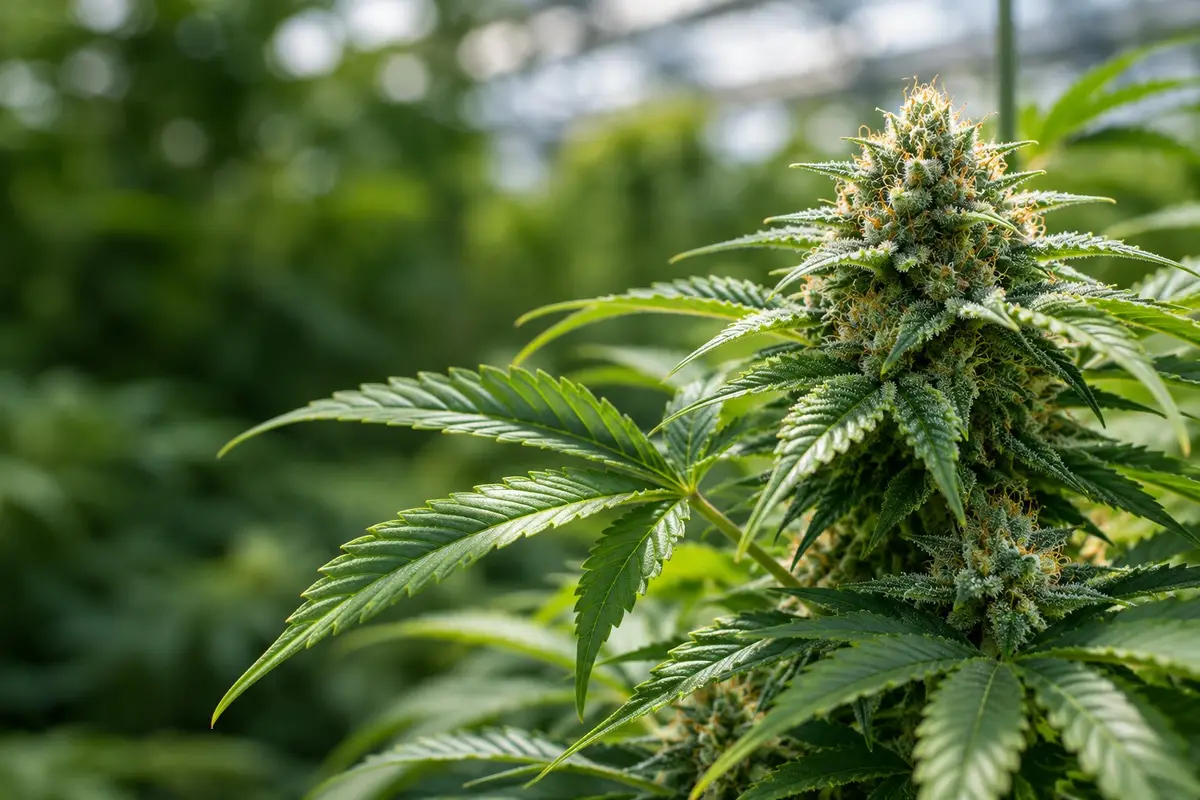
Cannabis Accounting and Tax fluent in §280E.
Cannabis accounting and tax for state-licensed operators, single license or vertically integrated, from a team that builds your cost of goods sold to hold up under §280E.
Cannabis is a core specialty at TreeStar, and the work starts with one fact: under §280E, cost of goods sold is where much of your federal tax outcome is decided. Strong cannabis accounting means inventory costed by license and product, COGS that ties to your track-and-trace records, and California returns that reflect the state's decision not to follow §280E. We handle books, payroll, and returns together, for single-license operators and vertically integrated groups alike. With rescheduling moving in stages, you hear from us early about what each step may mean for your numbers.
Where it gets complicated
- 01 The COGS line under §280E
§280E denies ordinary deductions and credits for trafficking in Schedule I or II substances, so rent, marketing, and most overhead may give no federal benefit. Cost of goods sold still reduces gross receipts, which makes inventory costing the main lever and the place examiners look closely.
- 02 Partial rescheduling
State-licensed medical cannabis now sits in Schedule III, while adult-use cannabis remains in Schedule I and subject to §280E. Operators with both kinds of sales need cost allocation and records that explain the split, because Treasury has not issued detailed rules for mixed operators.
- 03 Two tax answers
California does not follow §280E for licensed cannabis businesses, so your state return allows deductions the federal return denies. Running both computations from the same books keeps them reconcilable year over year.
- 04 Excise, cash, and banking
Retailers collect California cannabis excise tax and remit it to CDTFA, and many operators still run heavy cash volume with few banking options. Both put pressure on deposit records, cash controls, and month-end timing.
- 05 Audit readiness
An exam will ask how inventory was valued, how waste was recorded, and how cash reconciles to sales. Answers rebuilt after the letter arrives rarely hold up as well as records kept month by month.
How TreeStar helps
We review your books, inventory method, and recent returns to show where COGS support is strong, where it is thin, and what to fix first.
→ monthly_close_reporting Close every month cleanlyWe close the books monthly with cash, inventory, and excise accounts reconciled, and with inventory tied to your track-and-trace data by license.
→ business_tax Prepare both returnsWe prepare your federal return with §280E applied and Form 1125-A supported, and your California return with the deductions the state allows.
→ tax_planning Plan for reschedulingWhere you have both medical and adult-use activity, we model them separately and update your plan as federal guidance develops.
→What you can expect
COGS you can explain line by line
Federal and California returns that reconcile
Monthly numbers ready for an examiner or a buyer
Common questions
Why are my federal and California taxes so different?
Federal law applies §280E to cannabis trafficking, which denies most ordinary deductions, while California lets licensed cannabis businesses deduct them on the state return. The gap is expected, and we track it so both returns stay supported.
Can you take over cannabis books that are behind?
Yes. We typically review where things stand, rebuild inventory and COGS for open periods, and then move into monthly bookkeeping so your next return starts from clean numbers.
Do you help with licensing or banking?
We do not prepare license applications or give legal advice. We do produce the financial statements, reconciliations, and cash records that banks and regulators often request, and we work alongside your attorney and compliance team.
Need a referral?
We work alongside the attorneys, consultants, and other specialists your industry relies on. Tell us what you need and we will make an introduction.
Licensing, entity structure, contracts, and regulatory questions.
→ request_referral Metrc and track-and-trace specialistSetup, cleanup, and training so the system matches the shelf.
→ request_referral Compliance consultantStandard operating procedures, inspections, and state and local readiness.
→ request_referral Insurance brokerCoverage for product, property, crops, and liability in regulated markets.
→ request_referral Banking and payment solutionsInstitutions and processors that serve licensed operators.
→Highly Regulated Industries insights
Medical cannabis moved to Schedule III. Licensing, track-and-trace, testing, excise tax, banking, and state lines did not. What each layer still costs.
→
Six what-if scenarios for regulated businesses, from a banned product to a lost processor: what breaks first, the warning signs, and the first moves.
→
Regulation is a variable, not a constant. How to model ranges, scenarios, triggers, and reserves for rules that keep moving.
→