
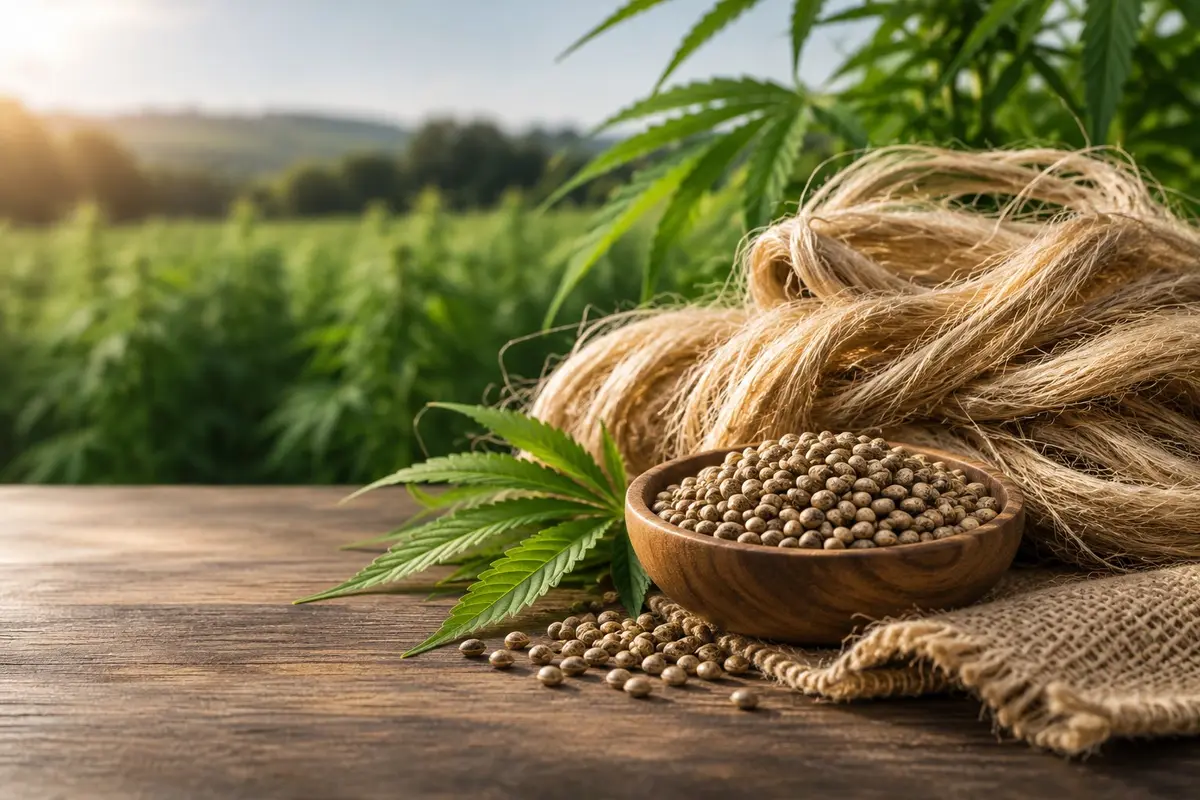
Hemp Accounting & Tax classified with care.
For compliant hemp farms, processors, and brands. Hemp accounting that keeps each product line classified, inventory valued realistically, and the books ready as federal rules tighten.
Hemp sits in an unusual place. When it meets the federal definition, it is not a controlled substance, so §280E generally does not apply. But federal law enacted in late 2025 narrowed that definition, including measuring total THC and limiting intoxicating hemp-derived products, and the changes take effect in stages in late 2026. That makes product classification a financial question as much as a compliance one. TreeStar provides hemp accounting and tax support that tracks each product line separately, values inventory with care, and keeps you ready for questions from lenders, regulators, and the IRS.
Where it gets complicated
- 01 A narrower federal definition
The new federal rules measure total THC and limit intoxicating hemp-derived products. A product that fit the definition last season may not fit once the changes take effect, which affects how it can be sold and reported.
- 02 Inventory that may lose value
When a product line can no longer be sold as planned, the inventory behind it may need to be written down or disposed of. Without cost records by product, it is hard to show what was lost and when.
- 03 Not cannabis, still regulated
Compliant hemp generally falls outside §280E, a real difference from cannabis. Testing, licensing, and state rules still shape the records you keep, and lenders or payment processors may ask harder questions than they would of other farms.
- 04 Very different product lines
Fiber, grain, flower, and CBD extracts follow different cost paths and earn different margins. When they share one undivided set of books, no one can tell which line is carrying the business.
How TreeStar helps
As your attorney or compliance advisor reviews product classifications, we plan for the tax and reporting effect of any line that changes status.
→ inventory_accounting Cost crops and productsWe track costs from seed or biomass through finished goods, so inventory values and any write-downs rest on records instead of estimates.
→ performance_kpi_analysis Track margin by channelWe report margin by product line and sales channel, so you can see which parts of the business still work under the new definition.
→ business_tax Prepare returns that tie outWe prepare the business return from reconciled books, with cost of goods sold detail that traces to your crop and product inventory records.
→What you can expect
Product lines tracked and reported separately
Inventory values supported by cost records
Earlier warning on lines affected by rule changes
Common questions
Does §280E apply to hemp businesses?
Generally no, when your hemp meets the federal definition, because compliant hemp is not a controlled substance. The narrowed definition makes the classification of each product important, so we review your product mix alongside the advisors who handle your compliance.
What happens to inventory that no longer meets the definition?
That depends on the product and on guidance that is still developing. On the accounting side, we help document the cost, any write-down or disposal, and the timing, so the books and the return reflect what actually happened.
Can you handle both the farm and the product side?
Yes. Many hemp businesses grow, process, and sell, and we set up the books so each stage carries its own costs and results while still rolling up to one clear picture.
Need a referral?
We work alongside the attorneys, consultants, and other specialists your industry relies on. Tell us what you need and we will make an introduction.
Licensing, entity structure, contracts, and regulatory questions.
→ request_referral Metrc and track-and-trace specialistSetup, cleanup, and training so the system matches the shelf.
→ request_referral Compliance consultantStandard operating procedures, inspections, and state and local readiness.
→ request_referral Insurance brokerCoverage for product, property, crops, and liability in regulated markets.
→ request_referral Banking and payment solutionsInstitutions and processors that serve licensed operators.
→Highly Regulated Industries insights
Federal law narrowed the definition of hemp, starting November 12, 2026. What happens to inventory, contracts, and cash when a product stops qualifying.
→
Six what-if scenarios for regulated businesses, from a banned product to a lost processor: what breaks first, the warning signs, and the first moves.
→
Regulation is a variable, not a constant. How to model ranges, scenarios, triggers, and reserves for rules that keep moving.
→