
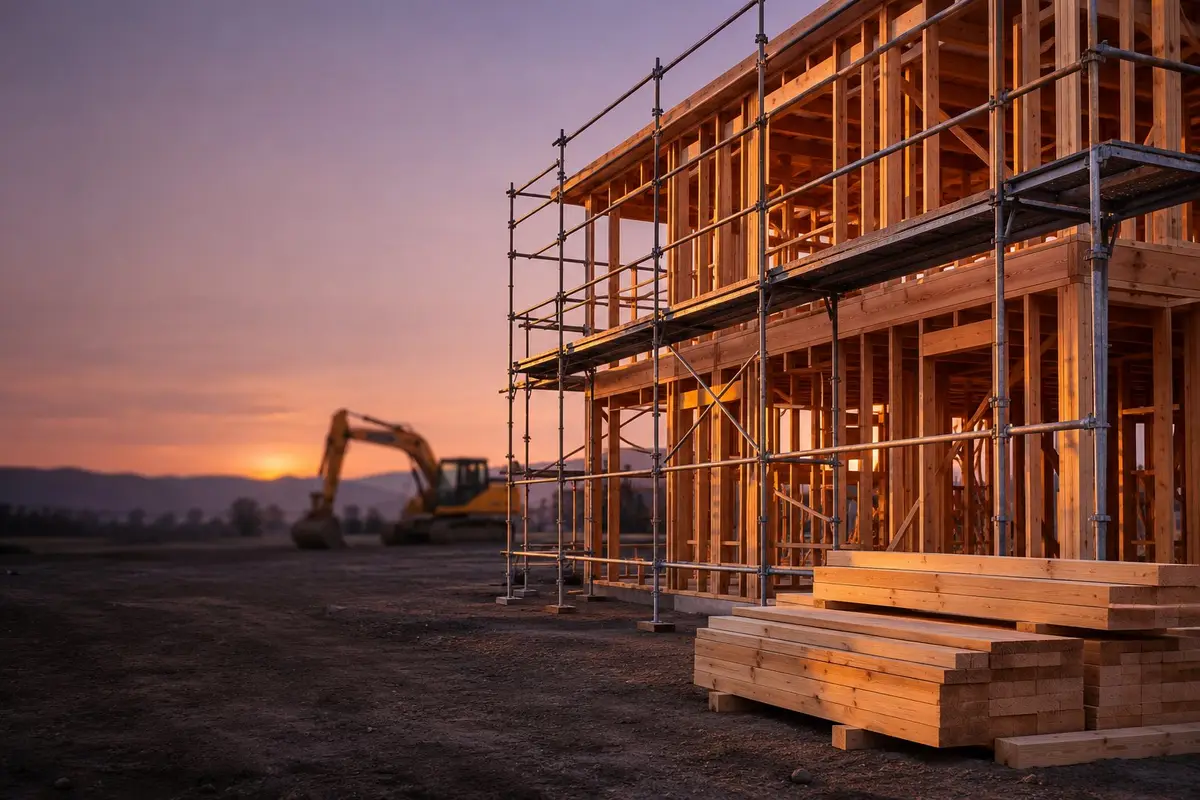
General Contractor Accounting books that match the jobsite.
For general contractors who need a WIP schedule, retainage records, and subcontractor files ready when the surety or bank asks.
General contractor accounting centers on the work-in-progress schedule. It shows each contract's value, costs to date, estimated cost to complete, and whether you have billed ahead of or behind the work. Sureties rely on it when setting bonding capacity, and banks use it to judge your credit line. TreeStar keeps job costs current, reconciles billings and retainage by job, and prepares WIP schedules your team can explain line by line. We also manage the subcontractor side: W-9s, insurance certificates, lien releases, and year-end Forms 1099-NEC, so compliance does not wait until the last pay application.
Where it gets complicated
- 01 Over and under billings
Billing ahead of the work makes cash look stronger than the job, and billing behind it starves cash and understates performance. Both need an explanation on the WIP.
- 02 Estimates to complete
The WIP is only as good as the cost-to-complete estimates behind it. Optimistic estimates push profit forward until a job fades at the end.
- 03 Retainage tracking
Retainage held by owners and withheld from subs can sit on the books for months. Without a job-by-job schedule, receivable and payable balances drift.
- 04 Subcontractor paperwork
Each sub needs a W-9, current insurance, license status, and lien releases before payment. Gaps tend to surface at 1099 time or after a claim.
- 05 Change order lag
Work often starts before change orders are signed. Unapproved changes left out of contract value distort both margin and billings.
How TreeStar helps
We produce a monthly or quarterly WIP schedule from reconciled job costs and review the over and under billings with you.
→ accounts_receivable Track billings and retainageWe reconcile pay applications, retainage receivable, and collections by job.
→ accounts_payable Manage subcontractor payablesWe record sub invoices and retainage payable, check for lien releases, and route payments for your approval.
→ w9_1099 Handle 1099 complianceWe collect W-9s as subs are added and prepare Forms 1099-NEC at year-end.
→What you can expect
A WIP schedule tied to your books
Retainage tracked by job
Subcontractor files complete before year-end
Common questions
What are over and under billings?
Overbillings mean you have billed more than the work earned to date; underbillings mean you have earned more than you have billed. Both appear on the WIP schedule and on the balance sheet.
Why does my surety care about the WIP?
The WIP shows whether jobs are tracking to their estimated profit and whether cash is being pulled ahead of the work. Underwriters read it alongside your financial statements to judge capacity.
Which subcontractors need a 1099?
Generally, unincorporated subcontractors paid for services in the course of your business receive Form 1099-NEC once payments reach the reporting threshold. We review your vendor list and W-9s to confirm who qualifies.
Need a referral?
We work alongside the attorneys, consultants, and other specialists your industry relies on. Tell us what you need and we will make an introduction.
Bonding capacity, bid bonds, and performance bonds.
→ request_referral Construction attorneyContracts, liens, disputes, and licensing questions.
→ request_referral Contractor insurance brokerGeneral liability, workers' comp, and builder's risk.
→ request_referral Contractor licensing consultantLicense applications and classifications.
→Construction & Trades insights

A contractor's guide to California public works: DIR registration, prevailing wage rates, certified payroll, eCPR filing, apprentices, and clean books.
→
How a WIP schedule is built, what over and under billings signal, why sureties and banks read it closely, and a monthly routine to keep it current.
→